Best Window Tint Shade for Massachusetts: A Complete Guide
April 3, 2026 · Secret Touch Auto Spa Team · Shrewsbury, MA
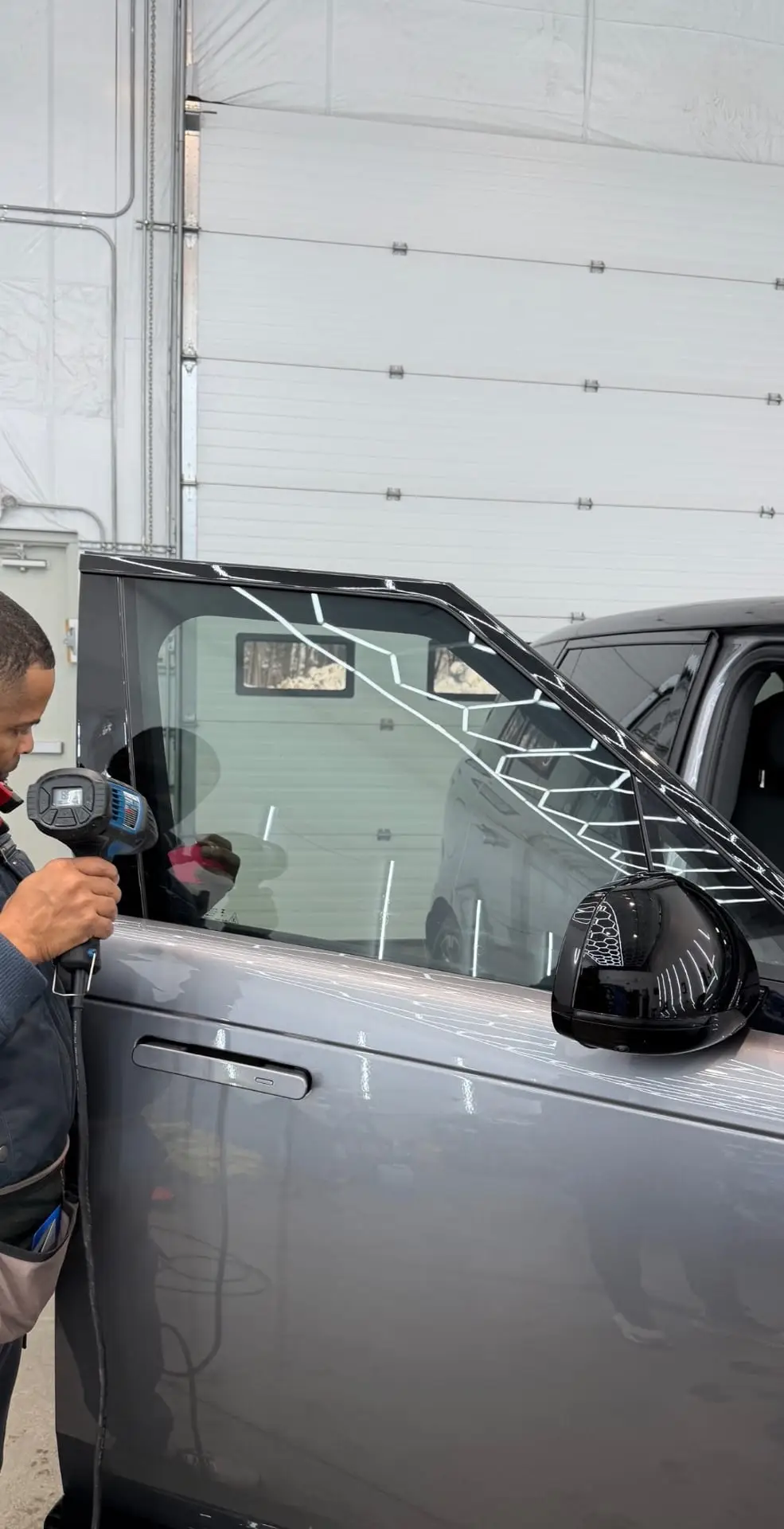
Choosing the right window tint shade is one of the most common decisions Massachusetts car owners face. Between understanding state laws, comparing shade percentages, and choosing between film types, the process can feel overwhelming. This guide breaks down everything you need to know about selecting the best window tint shade for your vehicle in the Bay State.
Massachusetts Window Tint Laws
Massachusetts has clear regulations on how dark you can tint your vehicle's windows, and the rules differ depending on whether you drive a sedan or an SUV/truck. Understanding these before you visit a tint shop will save you from potential fines and failed inspections.
Sedans: All four side windows (front and rear) must allow at least 35% of visible light through (35% VLT) to pass Massachusetts state inspection. The rear windshield has no VLT restriction, so you can go as dark as you want on the back glass.
SUVs and Trucks: The front side windows must be 35% VLT or lighter to pass inspection. Most SUVs and trucks come from the factory with approximately 20% tinted privacy glass on the rear side windows and rear windshield. There is no additional VLT restriction on those rear windows beyond what the factory provides, so you can add film on top of the factory glass for even more privacy and heat rejection.
The windshield may only have a non-reflective tint strip along the top above the AS-1 line, which is typically the top 6 inches. No reflective or metallic tints are permitted on any window.
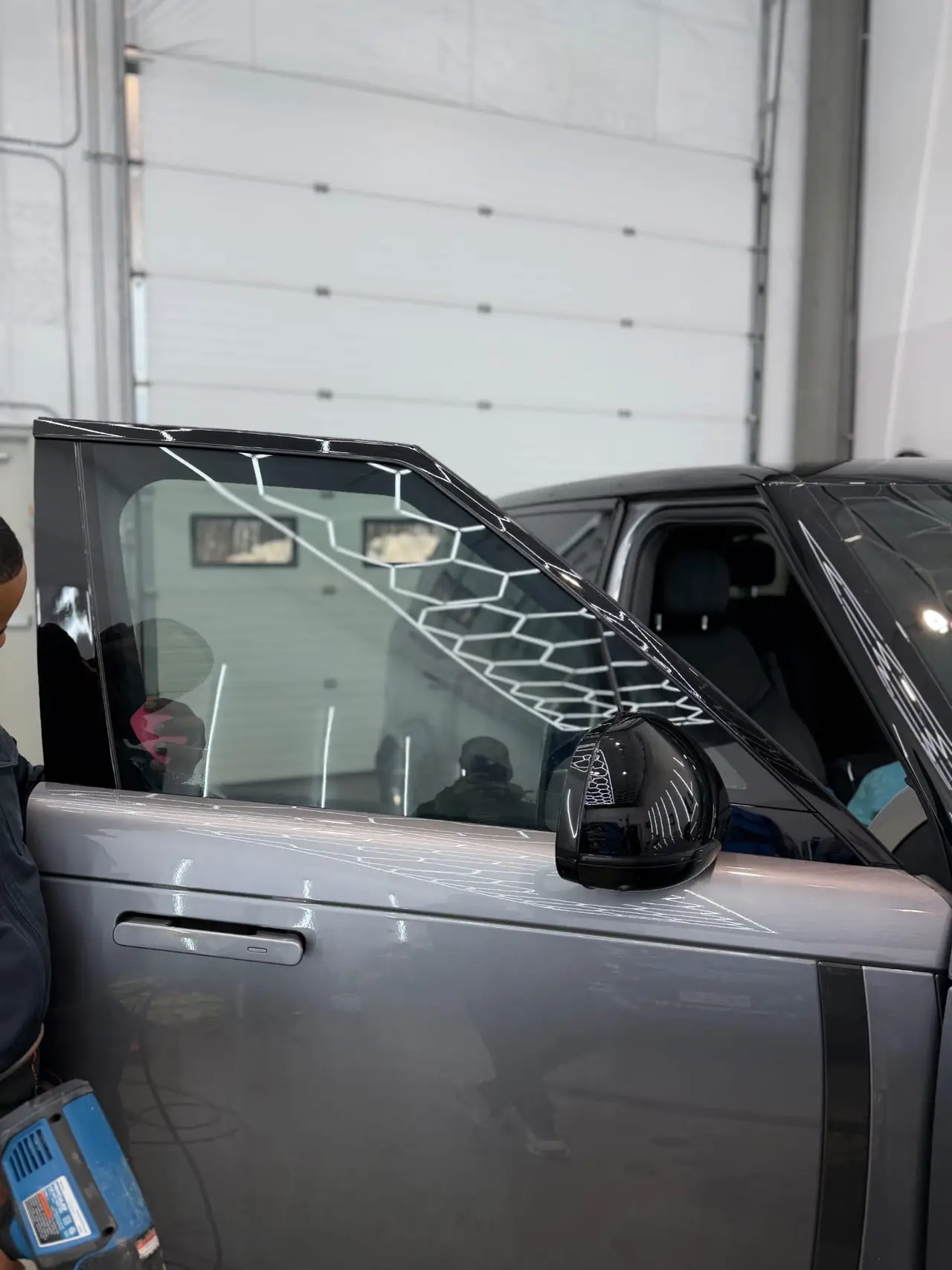
Understanding Tint Percentages
Window tint darkness is measured by VLT (Visible Light Transmission). A lower percentage means a darker tint. Here is what each shade looks like in practice:
- 50% VLT: Very light tint, mostly for UV and heat rejection without changing your vehicle's appearance much. Popular for drivers who want protection without a tinted look.
- 35% VLT: The darkest legal shade for front windows in Massachusetts. Provides a noticeable tinted look while still offering good visibility day and night. This is our most requested shade for front windows.
- 20% VLT: A medium-dark shade that matches the factory privacy glass on most SUVs and trucks. On SUVs, this is what comes standard on rear windows from the factory. Not legal on sedan side windows in Massachusetts.
- 5% VLT (Limo): The darkest available shade, offering maximum privacy. Only legal on the rear windshield for sedans, and on rear windows for SUVs/trucks. Nearly opaque from the outside during the day.
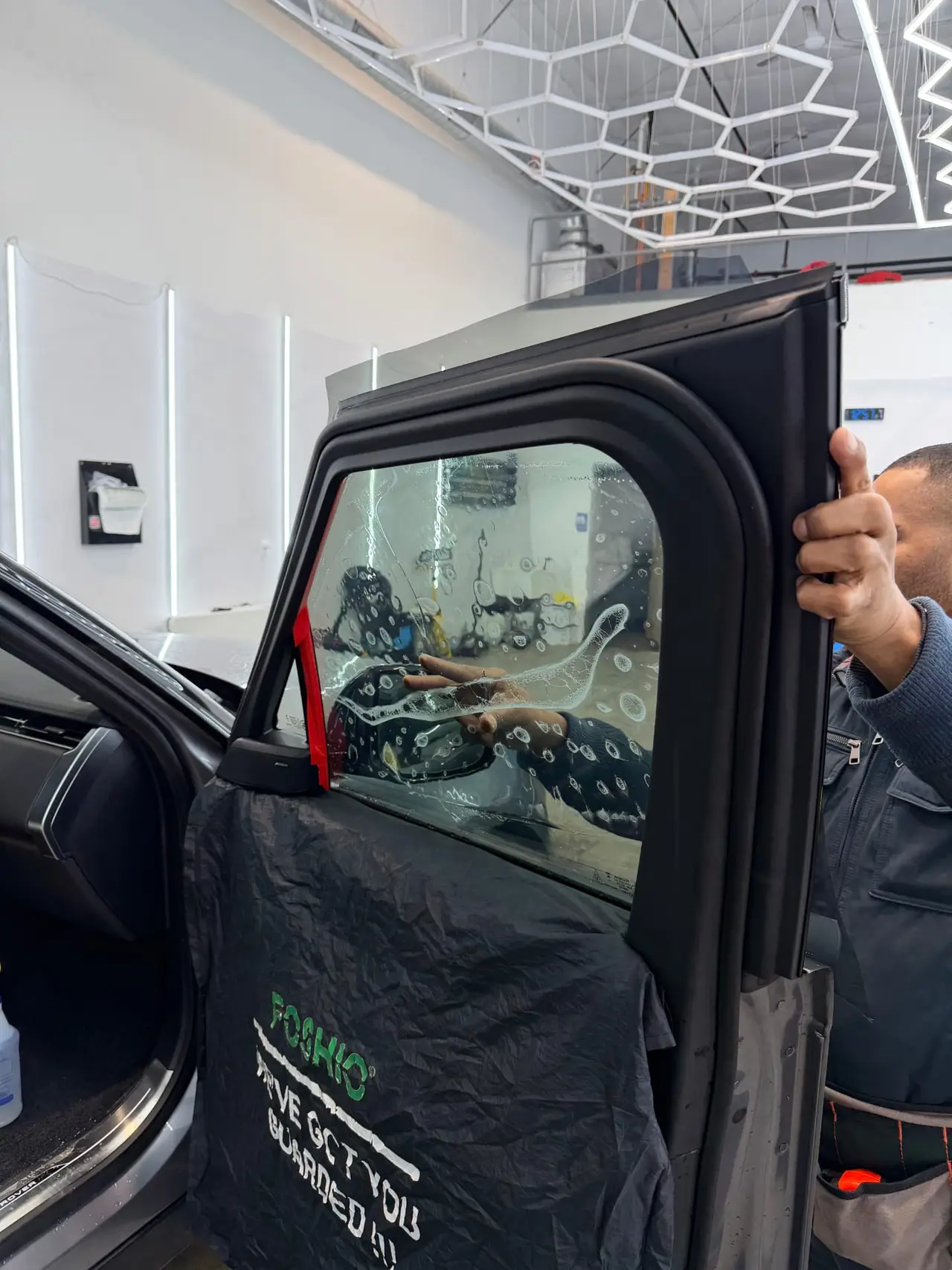
Most Popular Shade Combinations in Massachusetts
After tinting thousands of vehicles in Shrewsbury, Worcester, and Central Massachusetts, we have found that these are the most popular shade combinations our clients choose:
Sedan: 35% All Around Since Massachusetts requires 35% VLT on all four side windows for sedans, this is the go-to choice. It gives the car a clean, uniform tinted look while staying fully legal for inspection. Many sedan owners also add 20% or 5% to the rear windshield for added privacy.
SUV/Truck: 35% Front / Factory 20% Rear Most SUVs and trucks already come with factory 20% privacy glass on the back. Adding 35% ceramic or carbon tint to the front windows creates a balanced look that ties the front to the rear while passing inspection.
SUV Max Privacy: 35% Front / 5% Over Factory Rear For SUV and truck owners who want maximum privacy, adding 5% limo tint over the factory 20% rear glass creates an extremely dark rear section while the front stays legal at 35%.
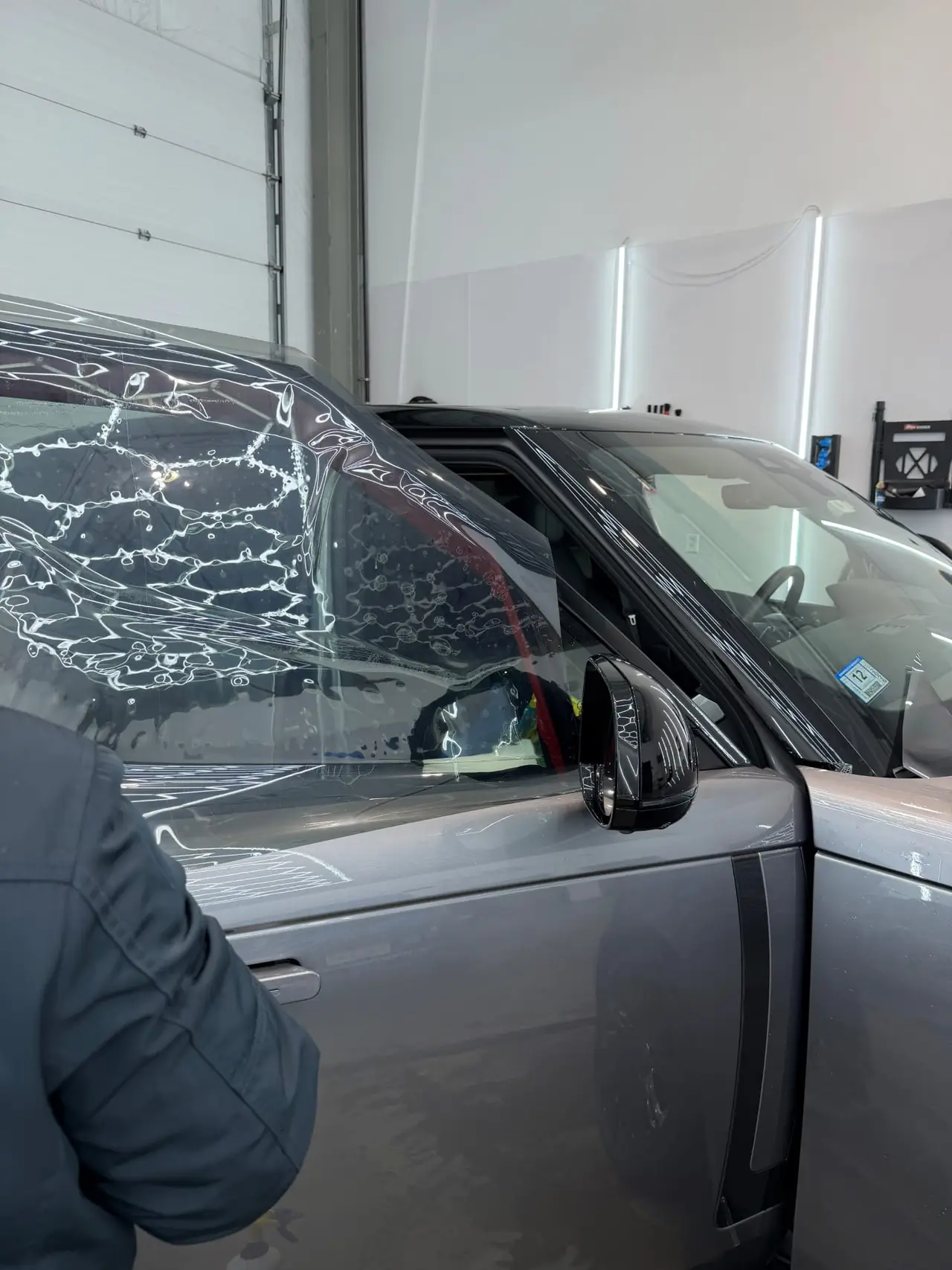
Carbon vs Ceramic Tint: Which is Better?
Beyond shade darkness, the type of film you choose matters just as much. The two professional-grade options are carbon and ceramic tint, and each has distinct advantages.
Carbon tint is our most popular film type. It delivers excellent UV protection, reduces glare, and will not fade or turn purple over time like cheaper dyed films. Carbon film carries a 1-year warranty and is a solid choice for any vehicle owner.
Ceramic tint is the premium option. It uses nano-ceramic technology to reject up to 96% of infrared heat at every shade level. This means even a lighter 50% ceramic tint blocks more heat than a dark 5% carbon tint. Ceramic film also reduces glare more effectively, does not interfere with electronics (GPS, phone signals, toll transponders), and comes with a lifetime warranty.
For Massachusetts drivers who deal with blazing summer sun and freezing winters, ceramic tint's superior heat rejection translates directly into reduced A/C load in summer and better heat retention in winter, saving fuel year-round.
Factors to Consider When Choosing Your Shade
- Daily driving conditions: If you commute at night frequently, a lighter shade on rear windows ensures better visibility.
- Vehicle type: SUVs and trucks look natural with darker rear tint, while sedans often look best with a moderate 20% rear shade.
- Existing glass: Many newer vehicles come with factory privacy glass on the rear windows that already has some tint. Adding additional film darkens the overall VLT further.
- Personal preference: Some drivers prioritize privacy, others prioritize visibility. Both are valid choices, and we can help you find the right balance.
Professional Installation Matters
Window tint quality depends as much on installation as the film itself. Poorly installed tint bubbles, peels, and looks unprofessional. At Secret Touch Auto Spa, we use computerized cutting systems for precise, edge-to-edge coverage and cure every installation in our climate-controlled Shrewsbury studio. The result is a flawless finish with no gaps, bubbles, or peeling.
Ready to find the perfect tint shade for your vehicle? View our window tint options and pricing, or contact us to schedule your tint appointment at our Shrewsbury, MA studio serving Worcester and all of Central Massachusetts.
Related: Learn more about the benefits of professional window tinting in our Window Tinting Benefits guide.