PPF vs Ceramic Coating: Which Do You Need?
March 9, 2026 · Secret Touch Auto Spa Team · Shrewsbury, MA serving Worcester and Central Massachusetts
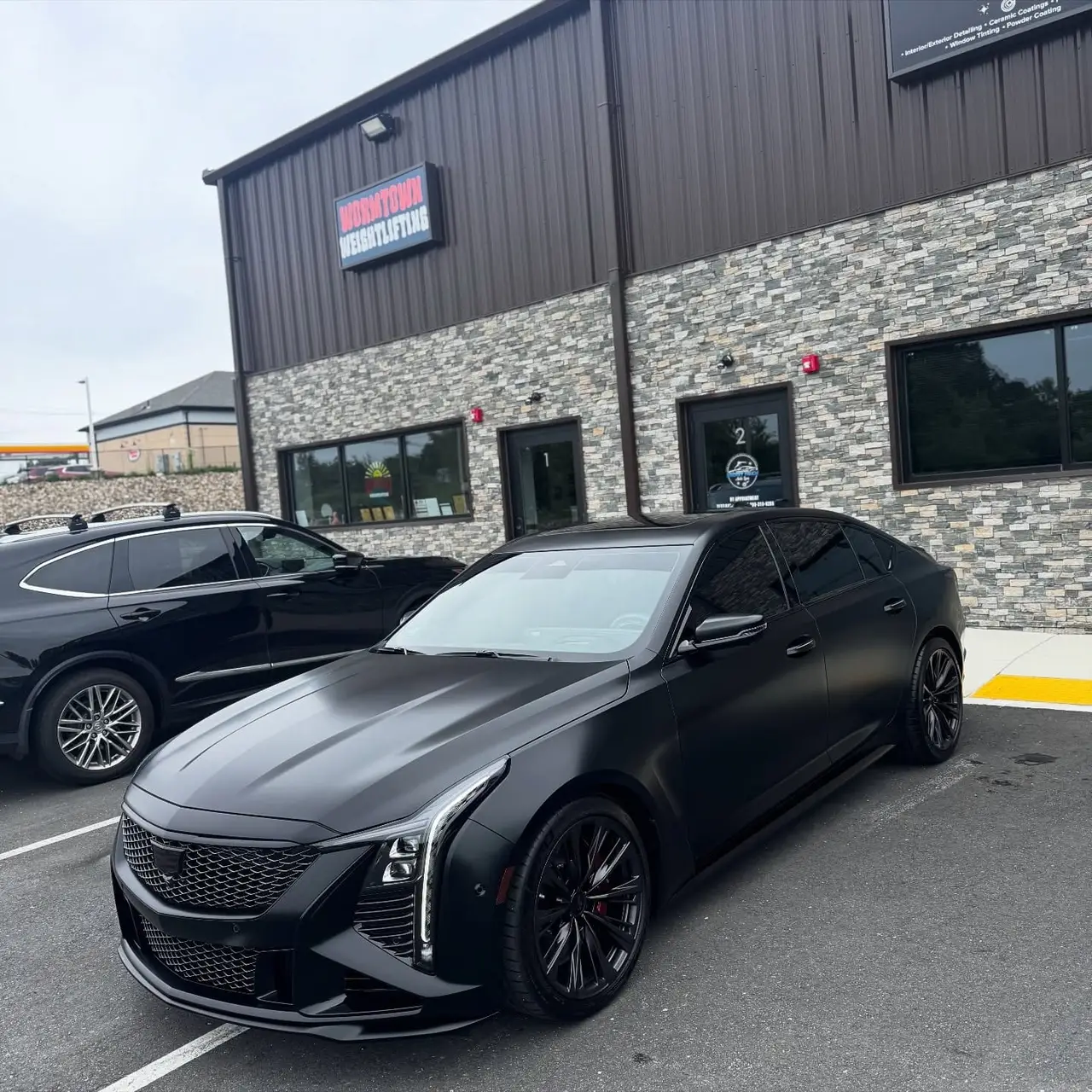
When it comes to protecting your vehicle's paint, two options dominate the conversation: paint protection film (PPF) and ceramic coating. Both are premium solutions that dramatically outperform traditional wax, but they work in fundamentally different ways and solve different problems. Understanding which one is right for your vehicle, driving habits, and budget is one of the most important decisions a car owner in Shrewsbury, Worcester, or Central Massachusetts can make.
What Is Paint Protection Film (PPF)?
Paint protection film is a thick, clear urethane film that is applied directly to your vehicle's painted surfaces. It acts as a physical barrier between your paint and the road, absorbing impacts from rock chips, road debris, bug splatter, and minor abrasions before they can reach the paint underneath.
Modern PPF features self-healing technology. Minor scratches and swirl marks on the film's surface disappear on their own when exposed to heat from the sun or warm water. This keeps the protective layer looking clean without requiring any special maintenance beyond regular washing.
What Is Ceramic Coating?
Ceramic coating is a liquid polymer that chemically bonds to your vehicle's clear coat, creating a semi-permanent protective layer. Unlike PPF, ceramic coating does not provide a physical barrier against impacts. Instead, it dramatically enhances the surface properties of your paint, making it hydrophobic, UV-resistant, and highly resistant to chemical contaminants like bird droppings, tree sap, and road salt.
A professionally applied ceramic coating creates a deep, mirror-like gloss that enhances your vehicle's appearance and makes washing significantly easier. Water beads and rolls off, taking surface-level dirt with it for a self-cleaning effect that keeps your car looking cleaner between washes.
Protection Type: Physical vs. Chemical
This is the most important distinction between the two. PPF provides physical protection. It prevents rock chips, scratches, and abrasive damage because the film absorbs and deflects the impact instead of your paint. If you drive on highways regularly, park near construction zones, or follow trucks on New England roads, PPF is the frontline defender you need.
Ceramic coating provides chemical and environmental protection. It resists UV rays that cause oxidation and fading, repels acidic contaminants that cause etching, and prevents water and mineral deposits from bonding to your paint. If your primary concern is maintaining your paint's clarity and gloss against the elements, environmental fallout, and daily contamination, ceramic coating addresses those threats directly.
Coverage and Application Areas
PPF is most commonly applied to high-impact zones where rock chips and road debris cause the most damage. Our most popular Full Nose package covers the hood, front bumper, fenders, mirrors, and headlights. Full vehicle PPF is available for maximum protection on every panel. Because of its thickness and installation complexity, PPF is typically applied to specific high-priority areas rather than every inch of the vehicle in most cases.
Ceramic coating is applied to the entire vehicle, including paint, glass, wheels, and trim. The coating is thin and conforms perfectly to every curve and panel, making full-vehicle coverage straightforward. This total coverage approach ensures uniform protection and gloss across the entire surface.
Durability and Lifespan
Both options significantly outlast traditional car wax, but they have different lifespans. A professionally installed PPF can last eight to ten years or longer with proper care. The film is designed to be a long-term investment that protects your paint through years of driving in all weather conditions, including New England winters with their road salt, sand, and freeze-thaw cycles.
Ceramic coating typically lasts two to five years depending on the coating grade and maintenance routine. With proper washing and occasional decontamination, a professional ceramic coating maintains its hydrophobic properties and gloss enhancement throughout its lifespan. Annual inspections ensure the coating remains effective year after year.
Cost Comparison
PPF is the more significant upfront investment due to the cost of the material and the precision labor required for proper installation. Our packages range from the Standard Kit at $1,200 to the Full Nose at $1,895, which is our most popular choice for drivers who want protection where it matters most. Full vehicle coverage is available at $5,500 for those seeking comprehensive protection on every panel.
Ceramic coating is a more accessible starting point for many vehicle owners. Pricing varies by vehicle size and the level of paint correction required prior to application. For drivers who want enhanced gloss, easier maintenance, and environmental protection without the higher cost of PPF, ceramic coating delivers outstanding value. Both services are investments that protect your paint and preserve your vehicle's resale value for years.
Which Should You Choose?
Choose PPF if your priority is preventing physical damage. If you regularly drive on highways, deal with road debris, or want to protect a new or high-value vehicle from rock chips and scratches, PPF is your best option. The film absorbs impacts that nothing else can stop.
Choose ceramic coating if your priority is enhanced gloss, easier maintenance, and protection from UV rays, acid rain, and environmental contaminants. Ceramic coating is ideal for daily drivers, commuters, and anyone who wants their vehicle to look better than the day they bought it with minimal effort to keep it that way.
The best answer for many vehicle owners is both. PPF protects the most vulnerable areas from physical damage while ceramic coating covers the entire vehicle with hydrophobic and UV-resistant protection. The combination provides comprehensive defense that addresses every threat your vehicle faces on Central Massachusetts roads.
Why Professional Installation Matters for Both
Both PPF and ceramic coating require professional application to achieve lasting results. PPF installation demands precise cutting, careful stretching around edges and curves, and a dust-free environment to prevent contamination beneath the film. Improper installation results in lifting edges, trapped air bubbles, and premature failure.
Ceramic coating application requires thorough paint decontamination and correction before the coating is applied. Any swirl marks, scratches, or contamination trapped beneath the coating will be permanently sealed in place. Our technicians perform multi-stage paint correction to ensure the coating bonds to flawless paint for maximum clarity and longevity.
Secret Touch Auto Spa in Shrewsbury, MA has protected over 8,700 vehicles with professional PPF and ceramic coating services. Our team will assess your vehicle, driving habits, and goals to recommend the right protection strategy. Not sure which is right for you? Reach out and we will help you decide.
Related reading: Learn how long PPF lasts and the benefits of ceramic coating for New England drivers.
Not Sure Which Protection Is Right for You?
Get a personalized recommendation from our team in Shrewsbury, MA.